



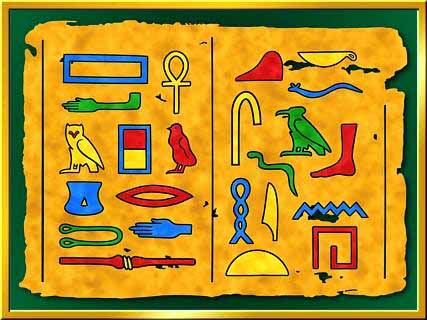
Symbolism Papyri
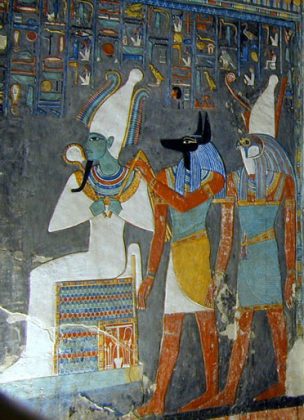
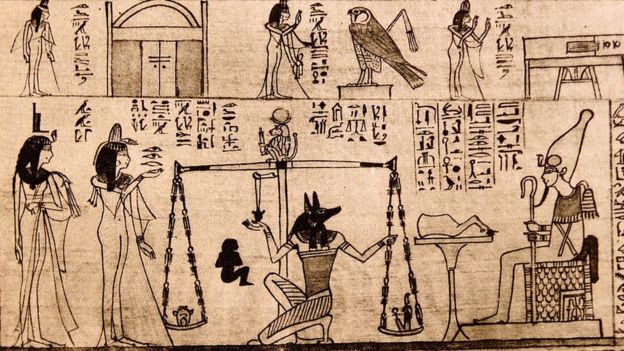
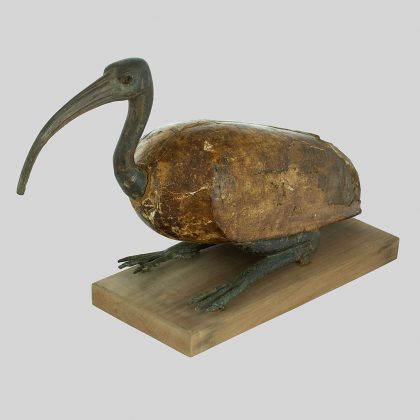
Symbolism also played an important role in establishing a sense of order. Symbolism, ranging from the Pharaoh’s regalia (symbolizing his power to maintain order) to the individual symbols of Egyptian gods and goddesses, was omnipresent in Egyptian art. Animals were usually also highly symbolic figures in Egyptian art. Color, as well, had extended meaning […]
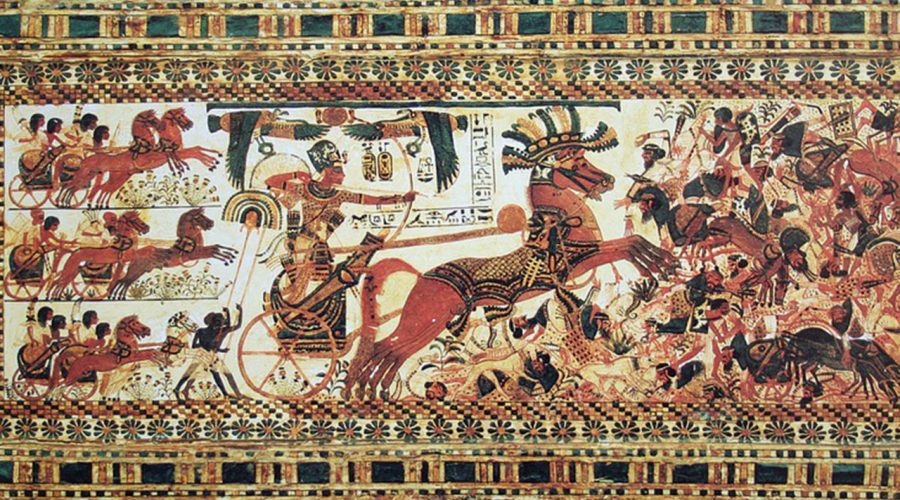
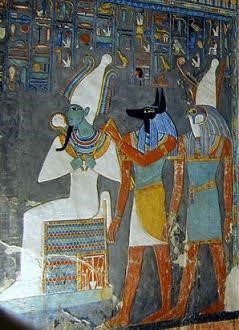
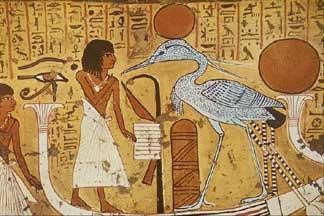
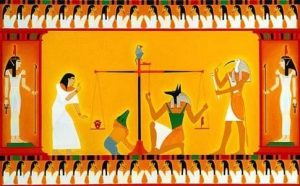
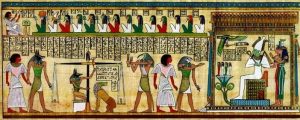
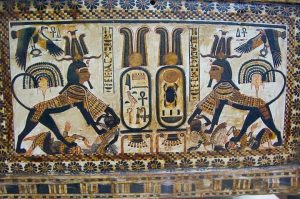
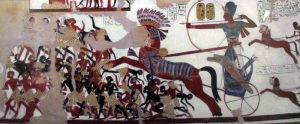
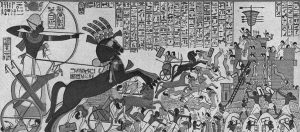
Top 10 Outstanding Ancient Egyptian Paintings
Known as one of the oldest and richest civilizations to have ever existed, the Egyptian civilization has so far stood the test of time. With its sky-scraping pyramids and monumental Sphinx that stands guard at the tombs of the pharaohs, we tend to forget another subtle but important part of ancient Egyptian culture that exists […]
Introduction to Ancient Egyptian Art
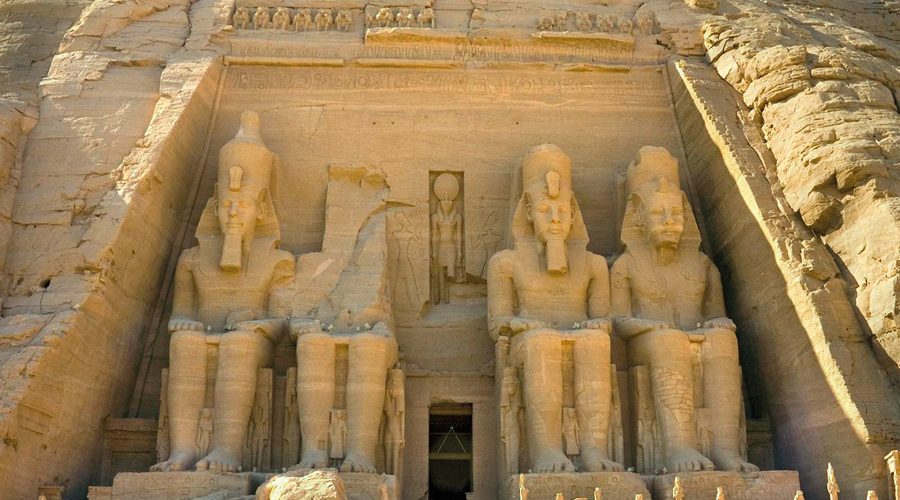
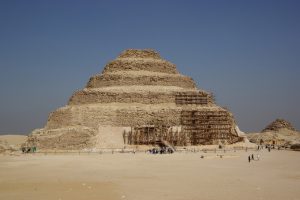
LEARNING OBJECTIVES Create a timeline of ancient Egyptian civilization, marking the Old, Middle, and New Kingdoms KEY TAKEAWAYS Key Points Ancient Egyptian art reached considerable sophistication in painting and sculpture , and was both highly stylized and symbolic. The Nile River, with its predictable flooding and abundant natural resources, allowed the ancient Egyptian civilization to […]




Materials and techniques in ancient Egyptian art
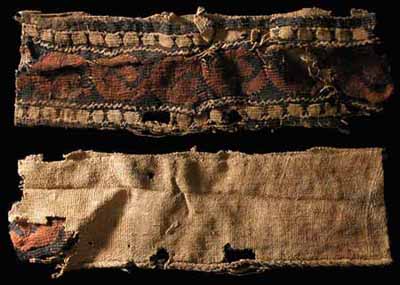
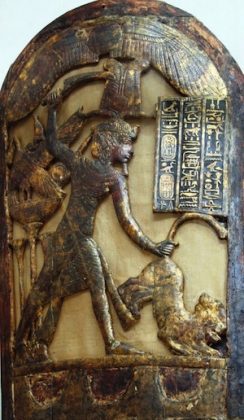
Egyptian artists used a wide array of materials, both local and imported, from very early in their history. For instance, already in the Predynastic period we find figurines carved from lapis lazuli—a lustrous blue stone that originates in what is now Afghanistan and indicates the early presence of robust trade routes. […]


Art of Pre-Dynastic Egypt (6000–3000 BC)
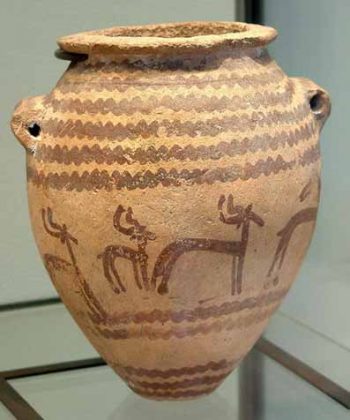
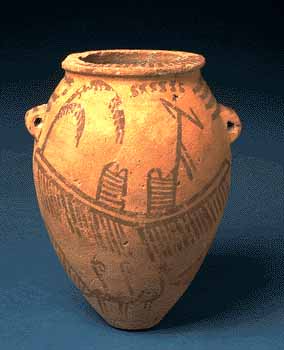
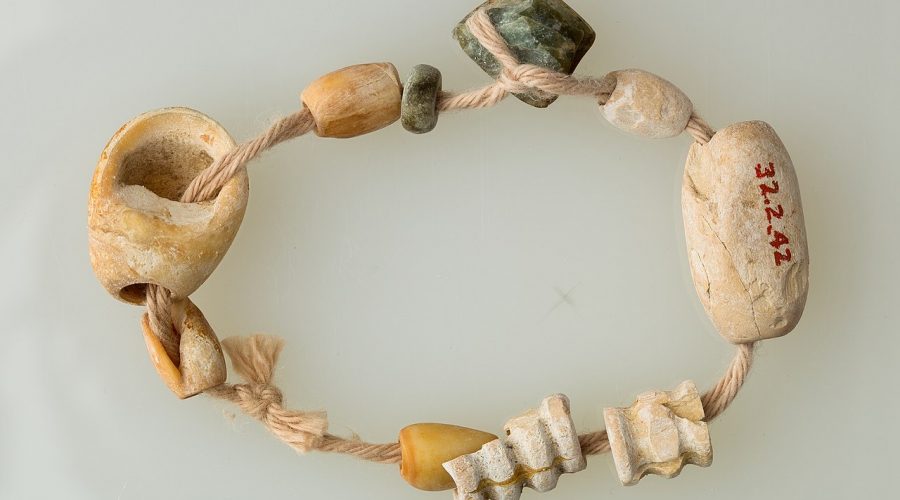
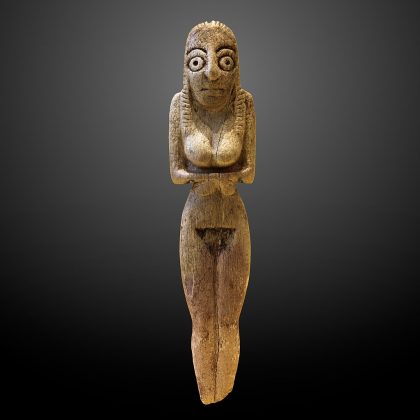
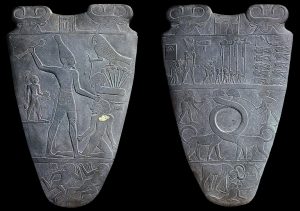
Pre-Dynastic Egypt, corresponding to the Neolithic period of the prehistory of Egypt, spanned from c. 6000 BC to the beginning of the Early Dynastic Period, around 3100 BC. Continued expansion of the desert forced the early ancestors of the Egyptians to settle around the Nile and adopt a more sedentary lifestyle during the Neolithic. The period from 9000 to 6000 BC has left very little archaeological evidence, but around 6000 BC, […]

Amarna art (c. 1350 BC)
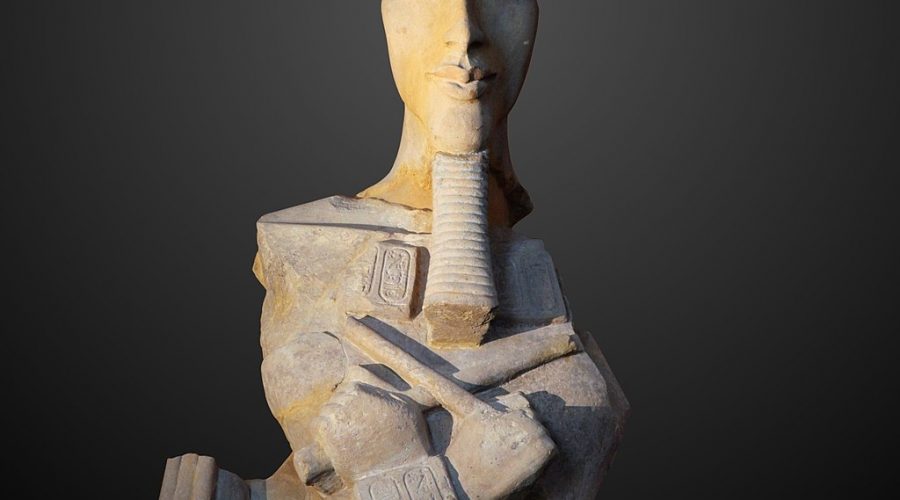
The Amarna period is named for the extensive archeological site at Amarna, where pharaoh Akhenaten moved the capital in the late Eighteenth Dynasty. This period, and the years leading to it, form the most drastic interruption to the continuity of style in the Old and New Kingdoms. Amarna art is characterized by a sense of movement and activity in images, with […]


Characteristics of ancient Egyptian art
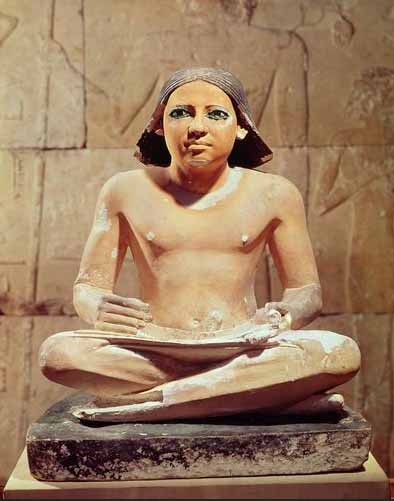
Egyptian art is known for its distinctive figure convention used for the main figures in both relief and painting, with parted legs (where not seated) and head shown as seen from the side, but the torso seen as from the front. The figures also have a standard set of proportions, measuring 18 “fists”from the ground to the […]
Ptolemaic period (305–30 BC)
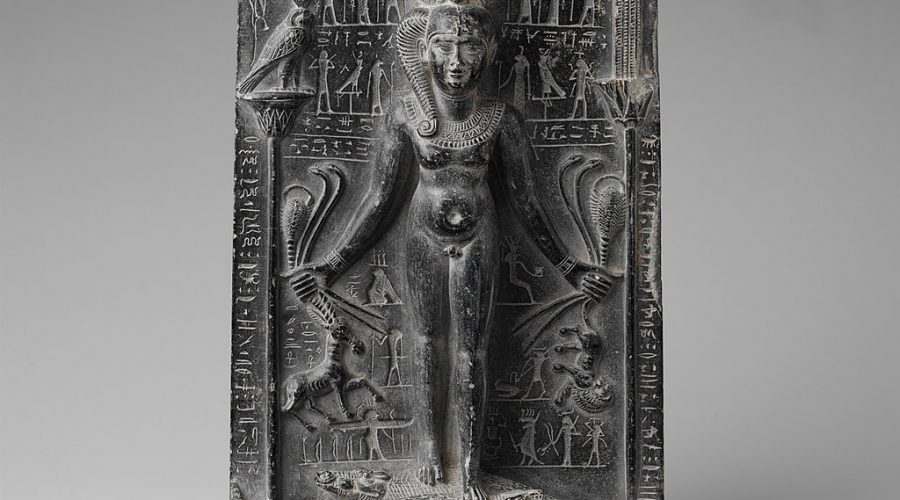
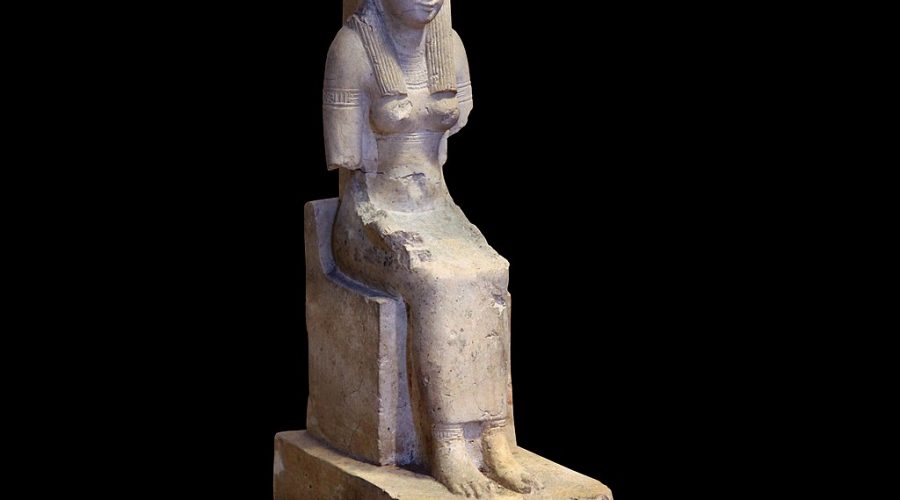
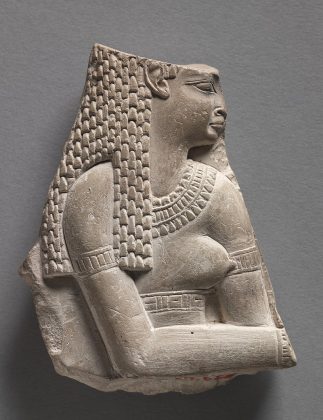
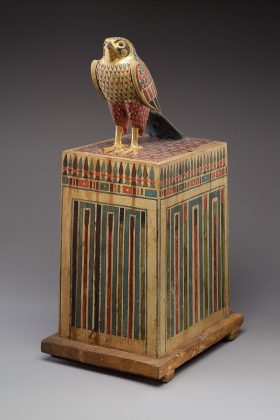
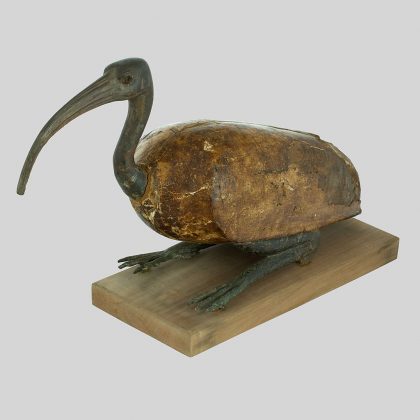
Discoveries made since the end of the 19th century surrounding the (now submerged) ancient Egyptian city of Heracleum at Alexandria include a 4th century BC, unusually sensual, detailed and feministic (as opposed to deified) depiction of Isis, marking a combination of Egyptian and Hellenistic forms beginning around the time of Egypt’s conquest by Alexander the […]
- « Previous
- 1
- …
- 15
- 16
- 17
