


Ancient Egyptian Art, Painting, Sculpture
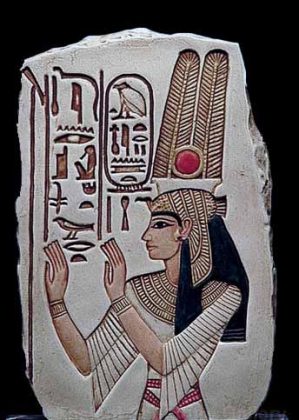
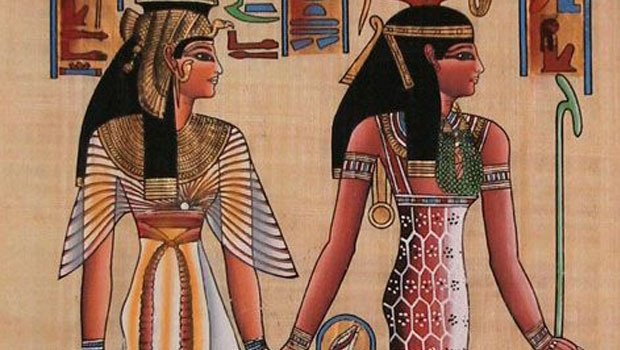
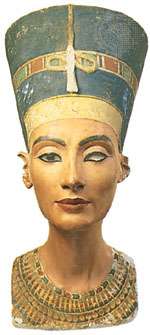
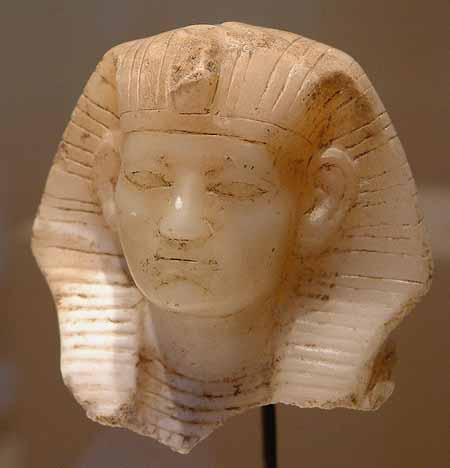
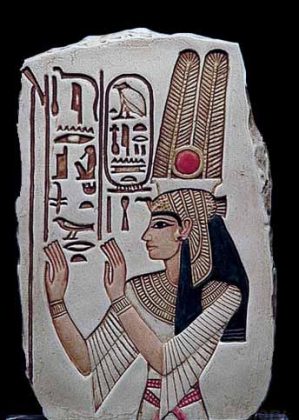
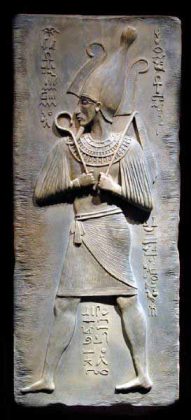
Ancient Egyptian art is five thousand years old. It emerged and took shape in the ancient Egypt, the civilization of the Nile Valley. Expressed in paintings and sculptures, it was highly symbolic and fascinating – this art form revolves round the past and was intended to keep history alive. In a narrow sense, Ancient Egyptian […]
Egyptian art and architecture
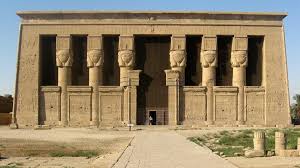
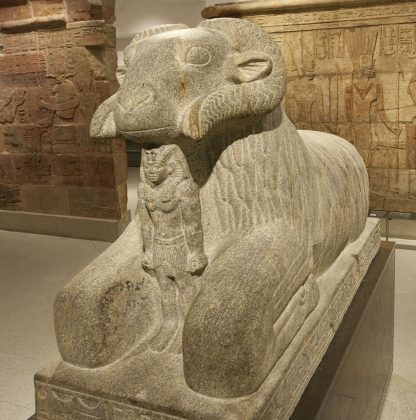
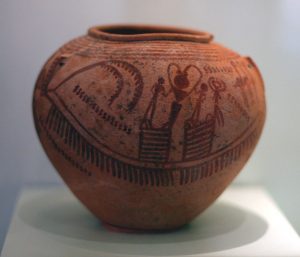
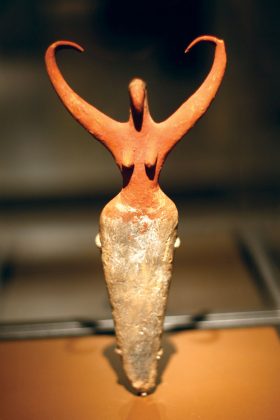
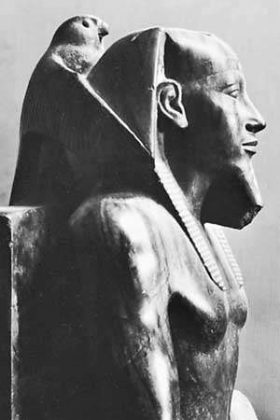
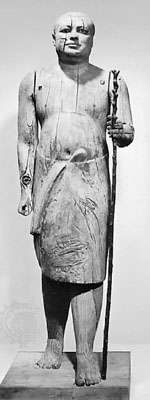
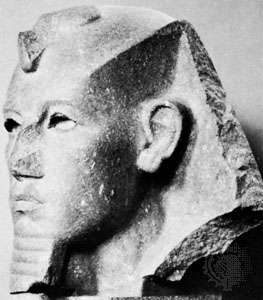
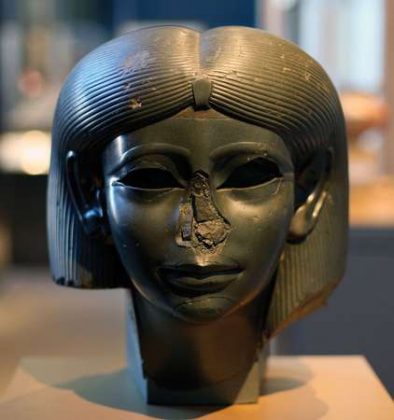
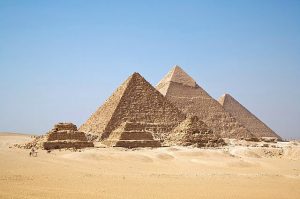
Egyptian art and architecture, the ancient architectural monuments, sculptures, paintings, and decorative crafts produced mainly during the dynastic periods of the first three millennia BCE in the Nile valley regions of Egypt and Nubia. The course of art in Egypt paralleled to a large extent the country’s political history, but it depended as well on the entrenched belief in the […]
Music & Dance in Ancient Egypt
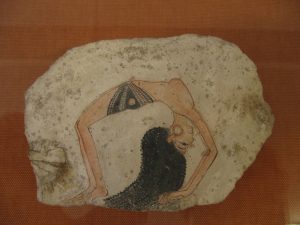
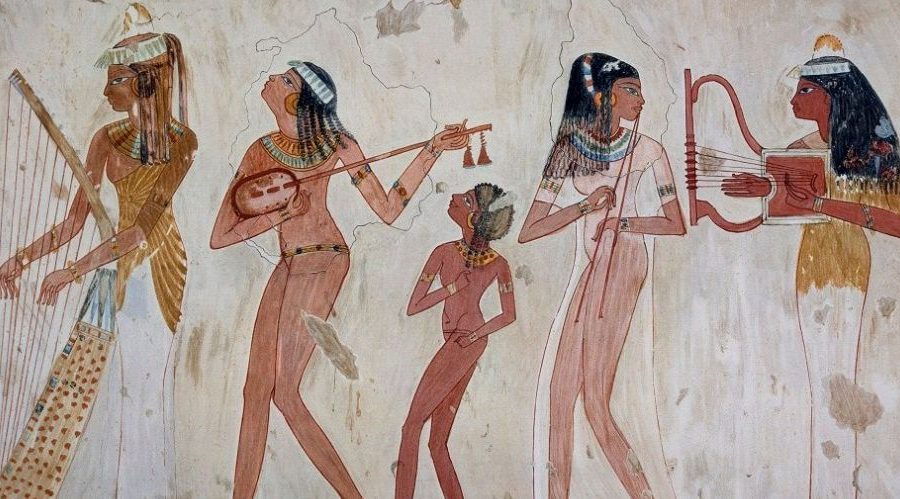
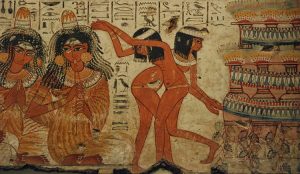
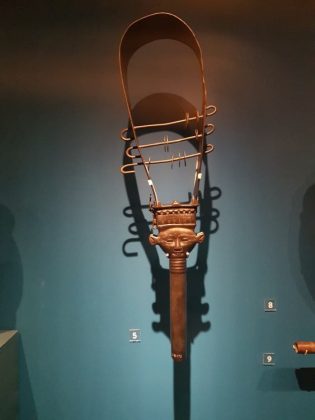
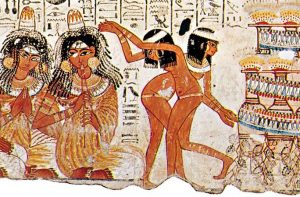
Music and dance were highly valued in ancient Egyptian culture, but they were more important than is generally thought: they were integral to creation and communion with the gods and, further, were the human response to the gift of life and all the experiences of the human condition. Egyptologist Helen Strudwick notes how, “music was everywhere in Ancient Egypt – at […]
Dancers & The Dance
By the time of the New Kingdom of Egypt (c. 1570 – c. 1069 BCE) music was well established as a part of Egyptian life. The famous poetic genre of the love song, so closely associated with the New Kingdom, may have developed to be sung and accompanied by interpretative dance. Whether the love song developed as a […]
Domestic architecture
Mud brick and wood were the standard materials for houses and palaces throughout the Dynastic period; stone was used occasionally for such architectural elements as doorjambs, lintels, column bases, and windows. The best-preserved private houses are those of modest size in the workmen’s village of Dayr al-Madīnah. Exceptional in that they were built of stone, they […]
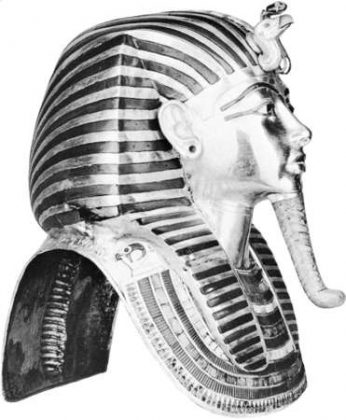
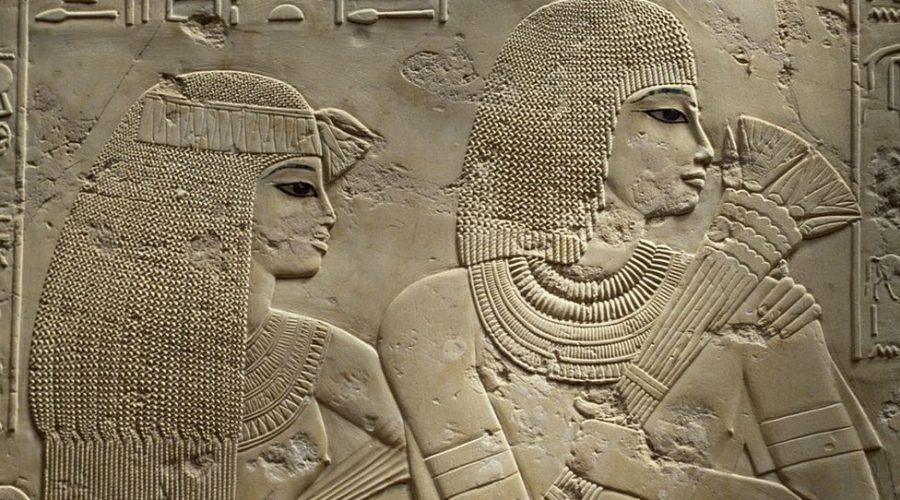
Relief sculpture and painting
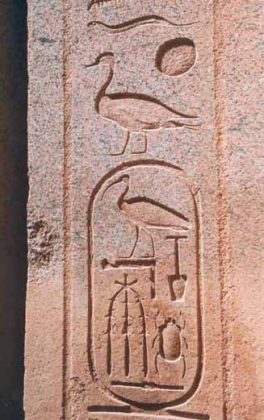
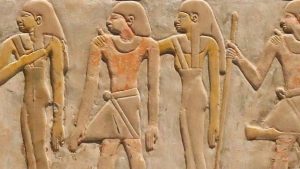
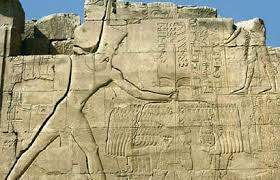
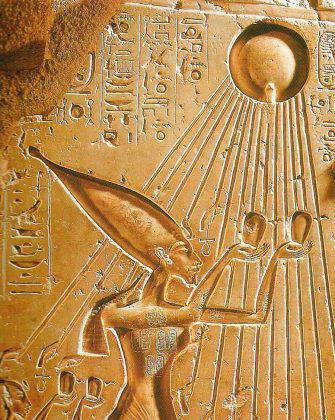
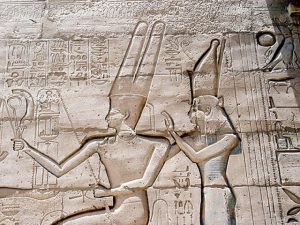
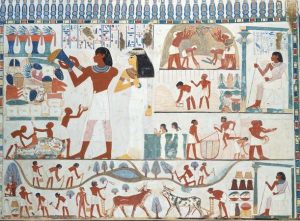
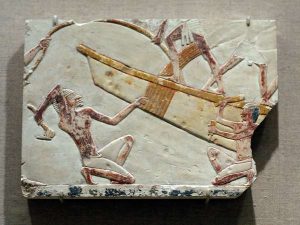
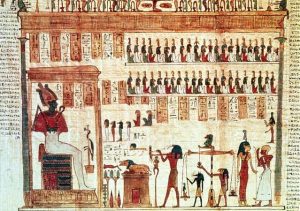
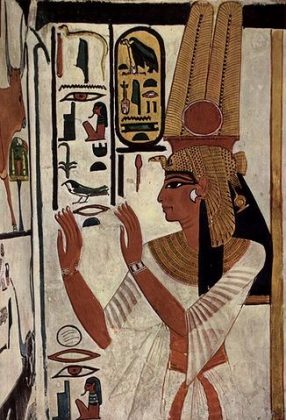
For Egyptians the decoration of tomb walls with reliefs or painted scenes provided some certainty of the perpetuation of life; in a temple, similarly, it was believed that mural decoration magically ensured the performance of important ceremonies and reinforced the memory of royal deeds. The earliest appearance of mural decoration is to be found in tomb 100 at Hierakonpolis, presumably the grave […]
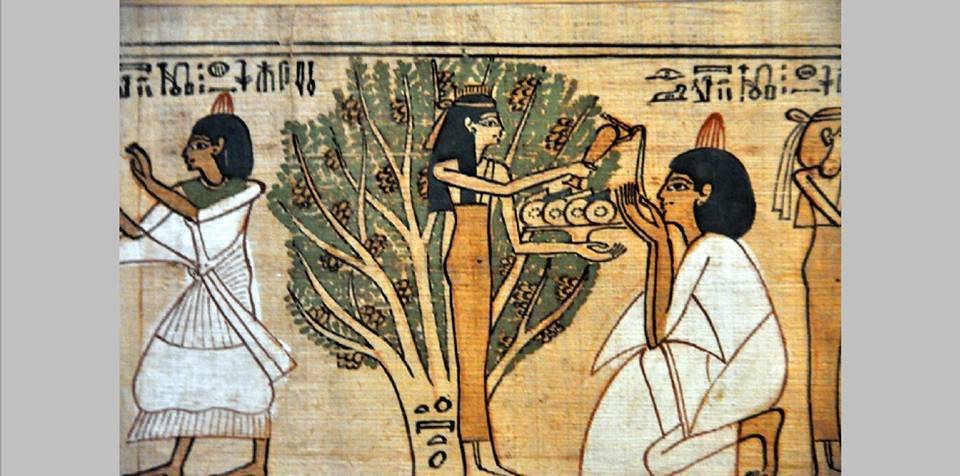
Decorative arts
Gold provided Egyptian jewelry with its richness; it was used for settings, cloisonné work, chains, and beads, both solid and hollow. Soldering, granulation, and wire making were practiced. Precious stones were not used, but a wide range of semiprecious stones was exploited: carnelian, amethyst, garnet, red and yellow jasper, lapis lazuli, feldspar, turquoise, agate. Additional colours and textures were provided by faience and glass. Ancient Egyptian jewelers had a […]
Thracian Art
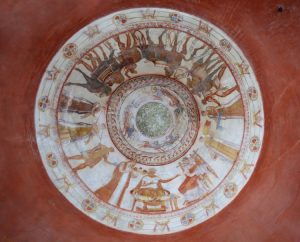
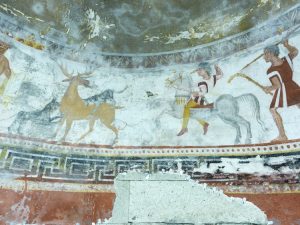
The art produced by the people of Thrace, as indicated by the many precious objects found in Thracian tombs dating from the Bronze Ageonwards, was, like the culture itself, a mix of indigenous ideas and foreign influences. Although it can be difficult to distinguish local and imported high-value objects, typical features of Thracian artare the use of […]



Sculpture & Painting
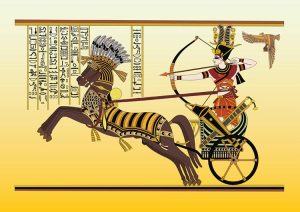
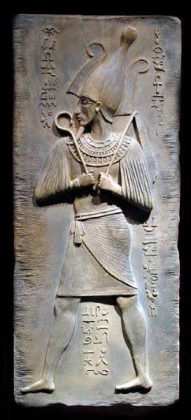
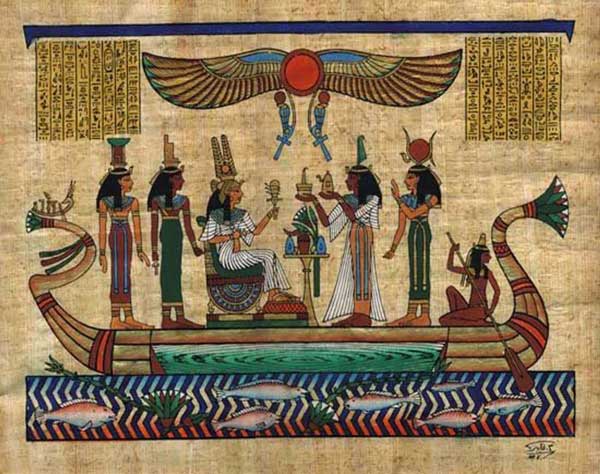
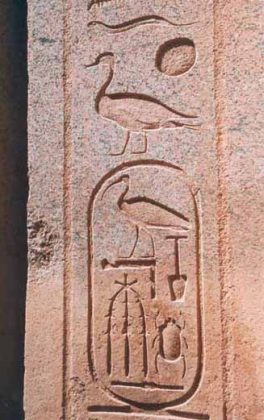
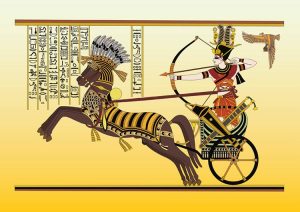
Ancient Egyptian art includes painting, sculpture, architecture, and other forms of art, such as drawings on papyrus, created between 3000 BCE and 100 AD. Most of this art was highly stylized and symbolic. Many of the surviving forms come from tombs and monuments, and thus have a focus on life after death and preservation of […]
Ancient Egyptian Art, Painting, Sculpture
Ancient Egyptian art is five thousand years old. It emerged and took shape in the ancient Egypt, the civilization of the Nile Valley. Expressed in paintings and sculptures, it was highly symbolic and fascinating – this art form revolves round the past and was intended to keep history alive. In a narrow sense, Ancient […]
