


The hanging mosque
Fayoum Governorate is called the Little Egypt because there are many similarities between Fayoum and the Egyptian state, whether in terrain or environmental or tourist ingredients, and because Fayoum Governorate is similar to Egypt, it abounds in many sites and religious archaeological sites from the Islamic era, and Islamic installations spread in all the villages and cities of the province, Including the minaret and dome of the Sheikh Mosque on the Ruby, Qantara Al-Lahun, Qaitbay Mosque, Qantara Khund Aslabi and the Moroccans market, except that all this amount of Islamic antiquities did not find anyone to market for them or preserve archaeological, so most of them were subject to neglect, either due to the factors of time or demanded The hands of the world Buthen.
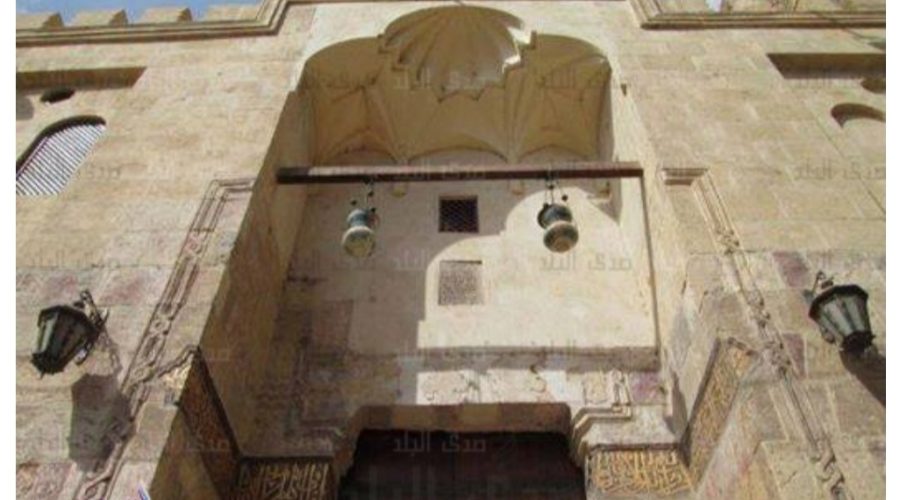
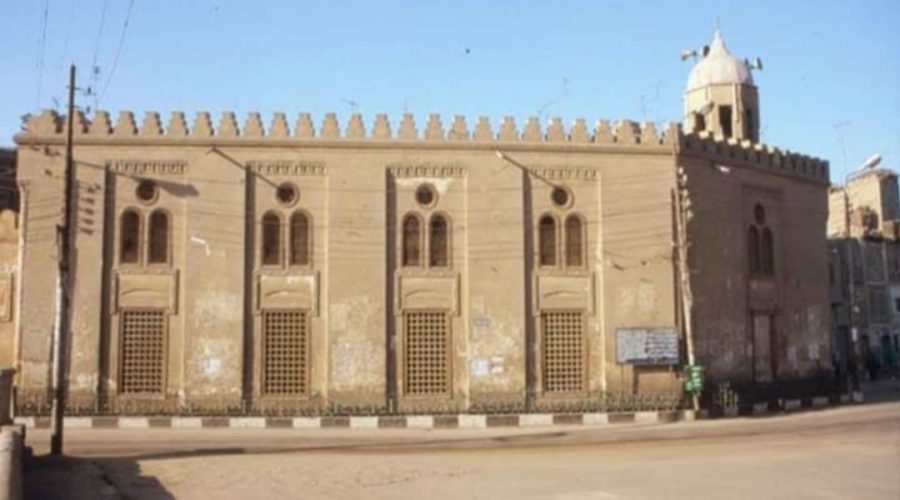
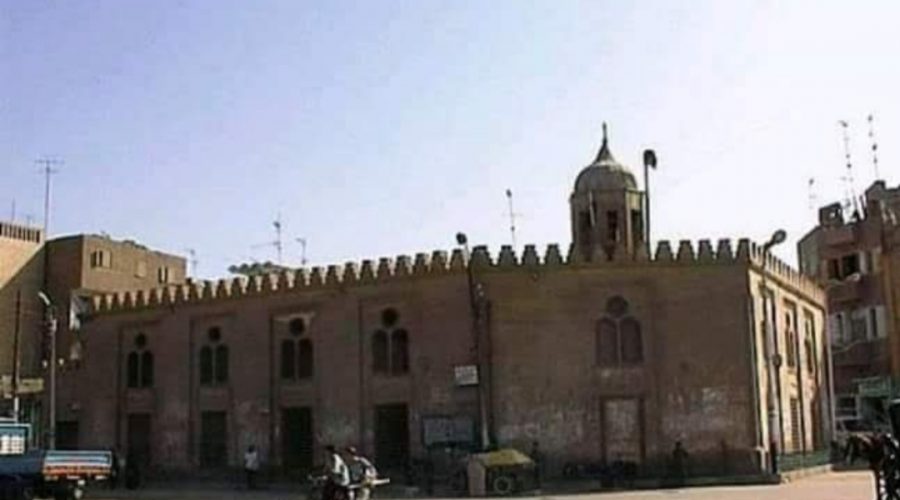
The Hanging Mosque is an ancient building dating back to the early Ottoman period, and it was built by Prince Suleiman bin Hatim, the governor of the Fayyum and Bahnasawiyya provinces, on the banks of Bahr Yusef, in 1560, in Bandar al-Madinah on Port Said Street, and he was called the Hanging Mosque, because it was built on a high hill, and built Below is a group of “shops” stores.
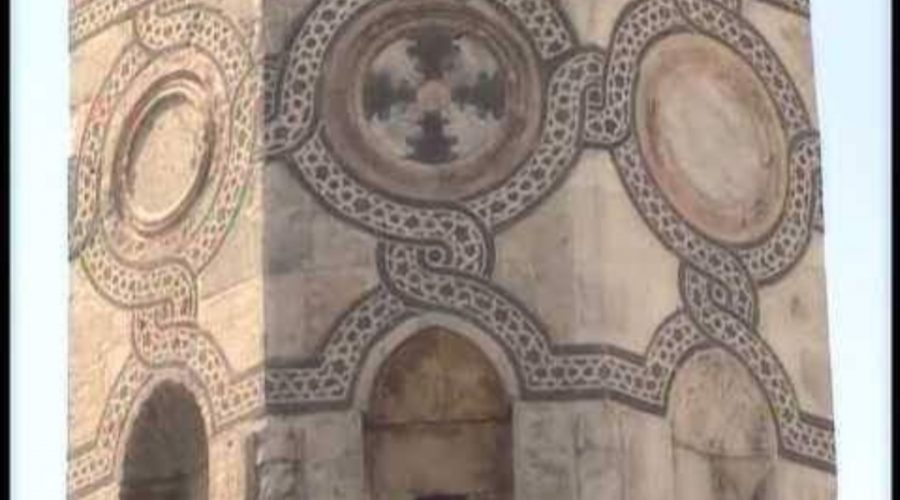
The Prince Solomon Mosque “The Hanging Mosque” is located in the largest streets of the city of Fayoum, which penetrates it from the south to the north in the eastern part of the city, and is similar in planning and decorations to the mosques of the Circassian Mamluks. Abbasid.
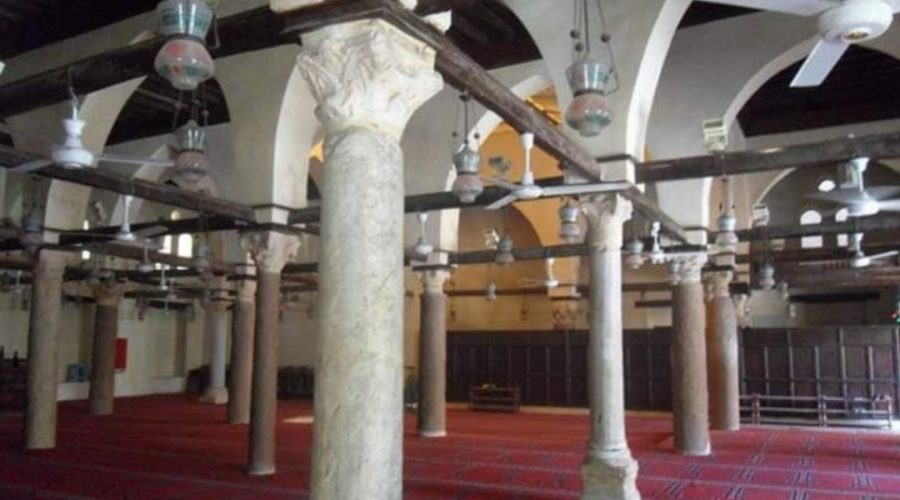
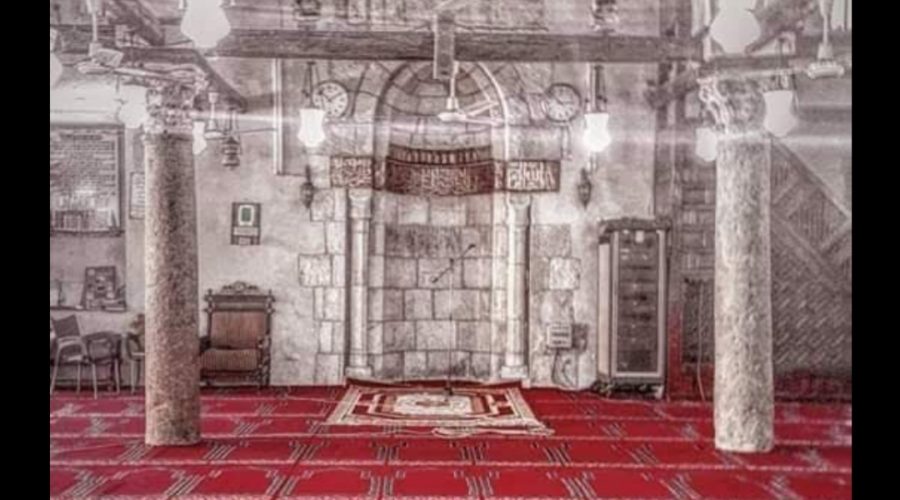
And it was taken into account in it the planning of the columns that the religious scholars rely on, to be one of the four iwans, the largest and the deepest of which is the Yuan Qibla, which is the Hanafi Yuan, because it was the official doctrine of the Ottoman Empire.
The corridor of the qiblah consists of 3 rows, and each row consists of 5 identical pointed arches held on four columns of red basalt for each cylindrical hull pillar, which rests on the ground directly without a base, and ends with a crown.
In spite of all these attributes that the mosque enjoys, it, like many dozens of Islamic monuments, was neglected, until the Islamic monuments in the province fell permanently from the map of religious tourism inside and outside.

