
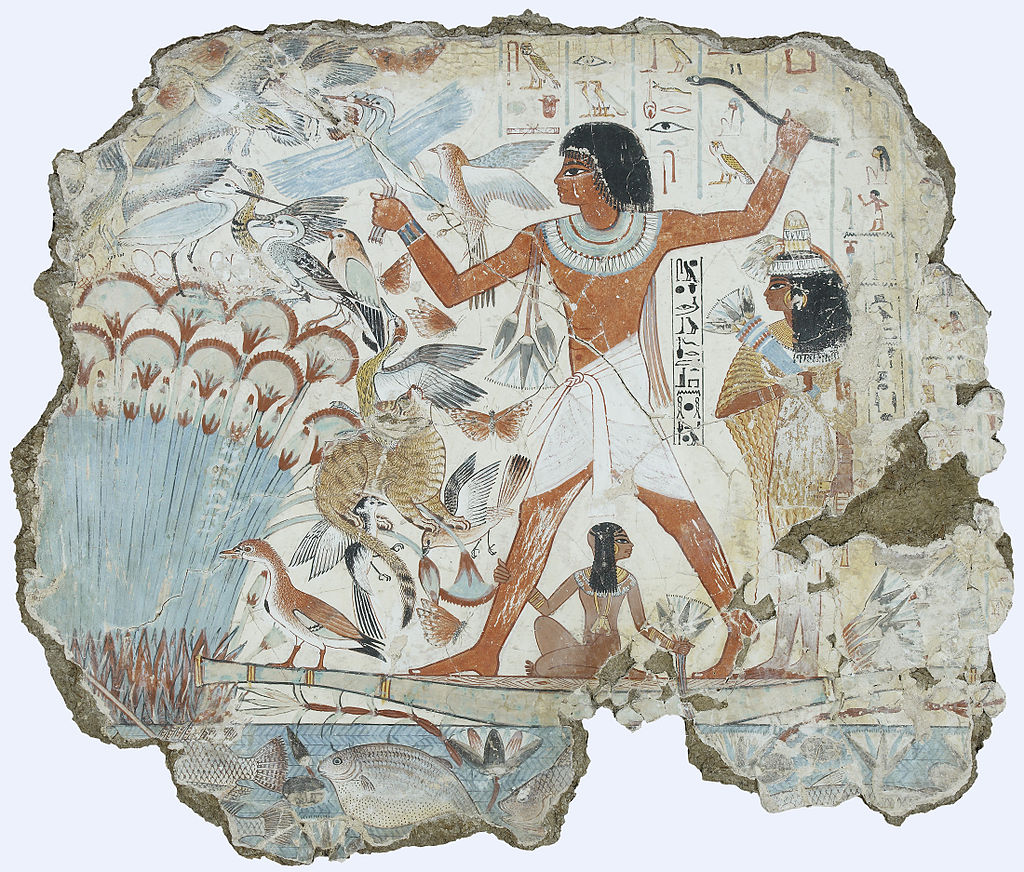
Not all Egyptian reliefs were painted, and less-prestigious works in tombs, temples and palaces were merely painted on a flat surface. Stone surfaces were prepared by whitewash, or if rough, a layer of coarse mud plaster, with a smoother gesso layer above; some finer limestones could

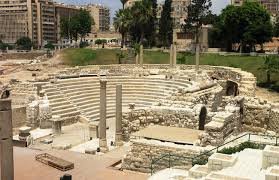
Discoveries made since the end of the 19th century surrounding the (now submerged) ancient Egyptian city of Heracleum at Alexandria include a 4th century BC, unusually sensual, detailed and feministic (as opposed to deified) depiction of Isis, marking a combination
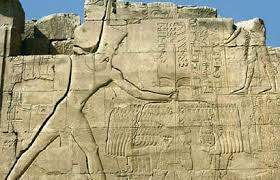
For Egyptians the decoration of tomb walls with reliefs or painted scenes provided some certainty of the perpetuation of life; in a temple, similarly, it was believed that mural decoration magically ensured the performance of important ceremonies and reinforced the memory of royal deeds. The earliest
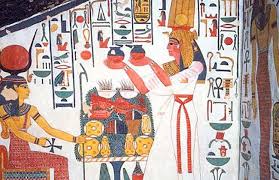
The art of the Second Intermediate Period of Egypt continued the traditions of the Middle Kingdom but often less effectively. The best artists were available to the nobility at Thebes and produced high-quality work, but non-royal artists were less skilled. This era,
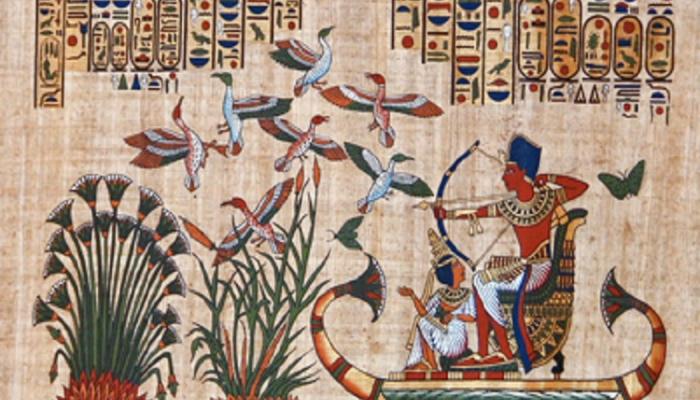
The combination of the symbols always had a specific meaning. Wilkinson writes, “One of the most important principles for understanding the numerical symbolism of Egyptian representational works is that of the extension of numbers” (138). A two-dimensional work of art,
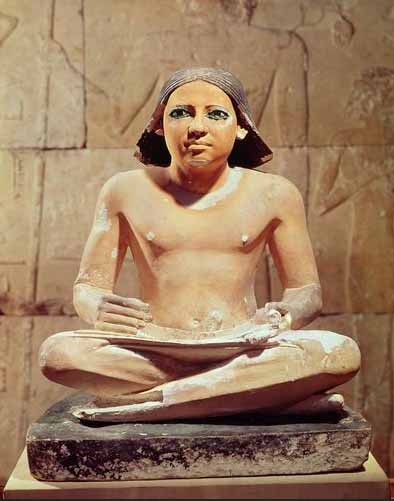
Symbolism also played an important role in establishing a sense of order. Symbolism, ranging from the Pharaoh’s regalia (symbolizing his power to maintain order) to the individual symbols of Egyptian gods and goddesses, was omnipresent in Egyptian art. Animals
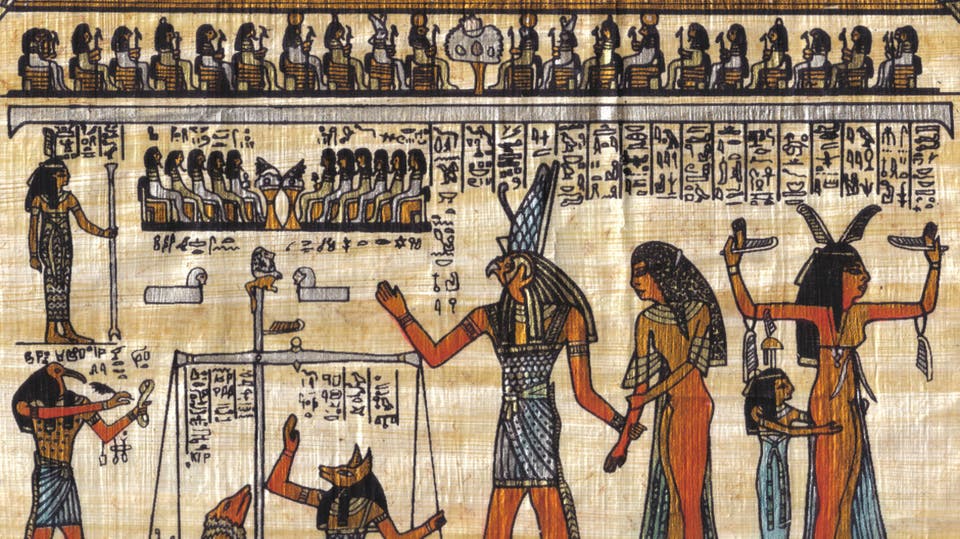
The paintings on Meket-Ra’s walls would have been done by artists mixing colors made from naturally occurring minerals. Black was made from carbon, red and yellow from iron oxides, blue and green from azurite and malachite, white from gypsum and
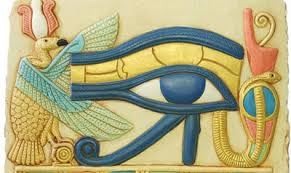
Much of what the modern world knows about Ancient Egypt can be attributed to Ancient Egyptian art. Everything from knowing what they looked like to what they did for a living, what they held dear and even the clothes they
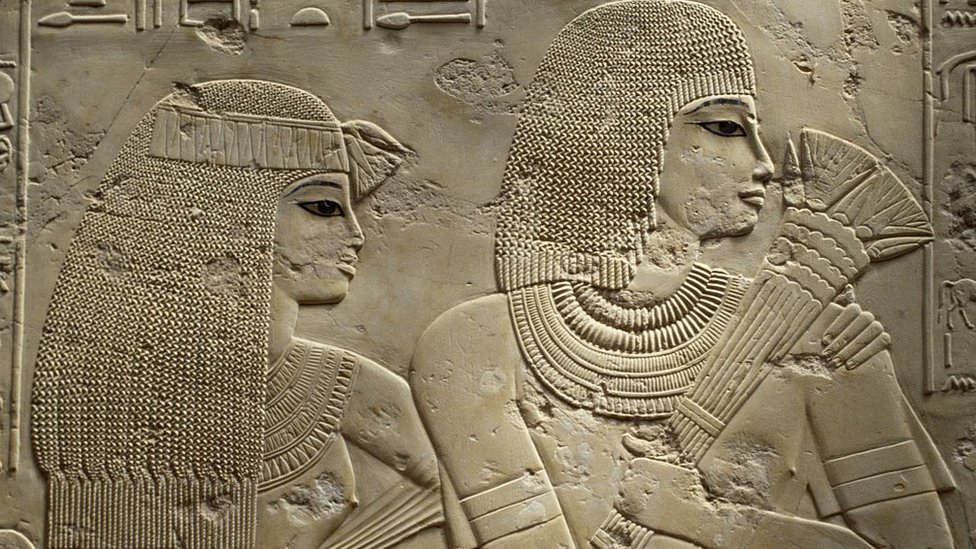
The art produced by the people of Thrace, as indicated by the many precious objects found in Thracian tombs dating from the Bronze Ageonwards, was, like the culture itself, a mix of indigenous ideas and foreign influences. Although it can be
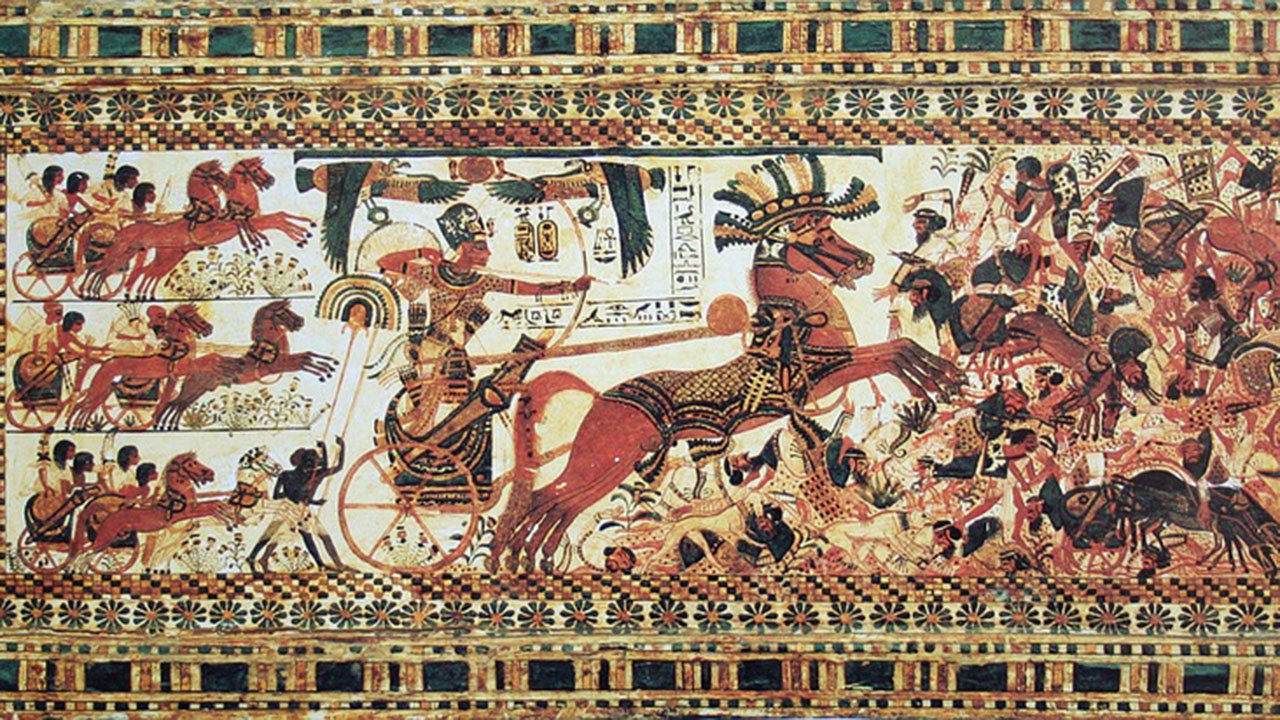
Known as one of the oldest and richest civilizations to have ever existed, the Egyptian civilization has so far stood the test of time. With its sky-scraping pyramids and monumental Sphinx that stands guard at the tombs of the pharaohs,
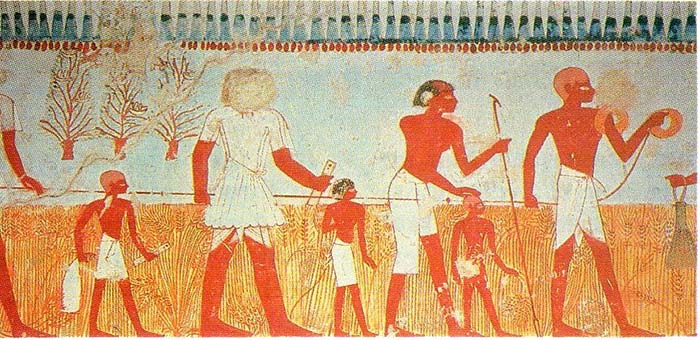
Throughout all these eras, the types of art were as numerous as human need, the resources to make them, and the ability to pay for them. The wealthy of Egypt had ornate hand mirrors, cosmetic cases and jars, jewelry, decorated
