




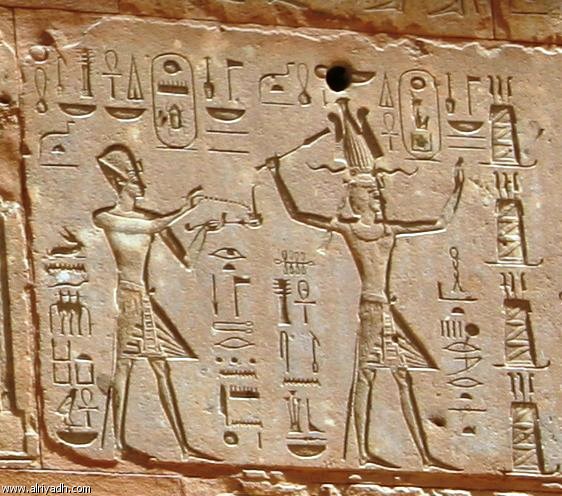

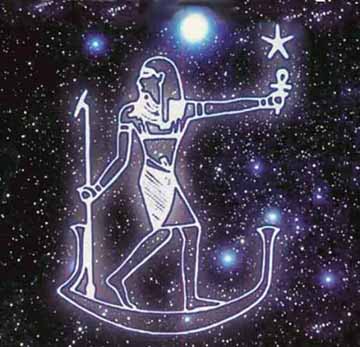
They believed stars were Gods… Ancient Egyptian Astronomy
Egyptian culture was greatly influenced by astronomy. Ancient Egyptian astronomy was very sacred. Pyramids and temples had been built and positioned in relation to the the stars. The Egyptian calendar was based on astronomical indicators as well. For example, when the brightest star in our sky, Sirius, rose before the Sun, the Egyptians knew their […]

The Ancient Astronomy of the Nabta Playa Egyptian Stone Circle
Located deep in the Nubian desert, the Nabta Playa stone circle holds astonishing details of ancient astronomy. Located 500 miles south of Cairo, deep in the Nubian desert is one of the oldest stone circles in the world. Research has revealed that the Nabta Playa complex dates before Predynastic Egyptian history. Nabta Playa is […]

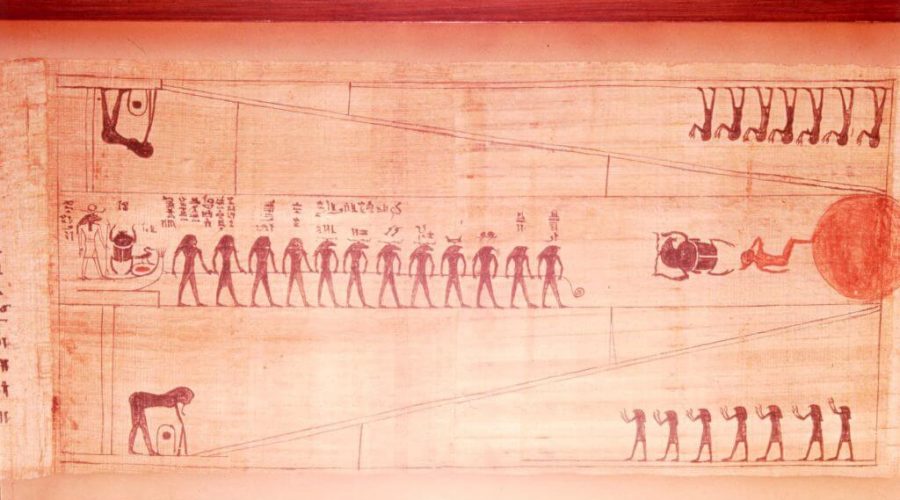
Ancient knowledge transfer: Egyptian astronomy,
Adapted from an article by Exzellenzcluster Topoi. Egyptian astronomers computed the position of the planet Mercury using methods originating from Babylonia, finds a study of two Egyptian instructional texts from Oxford’s Ashmolean Museum. The study was carried out by Mathieu Ossendrijver, a historian of ancient science at Humboldt University Berlin and Exzellenzcluster Topoi, and Andreas Winkler, an Egyptologist at Oxford University’s Faculty of […]
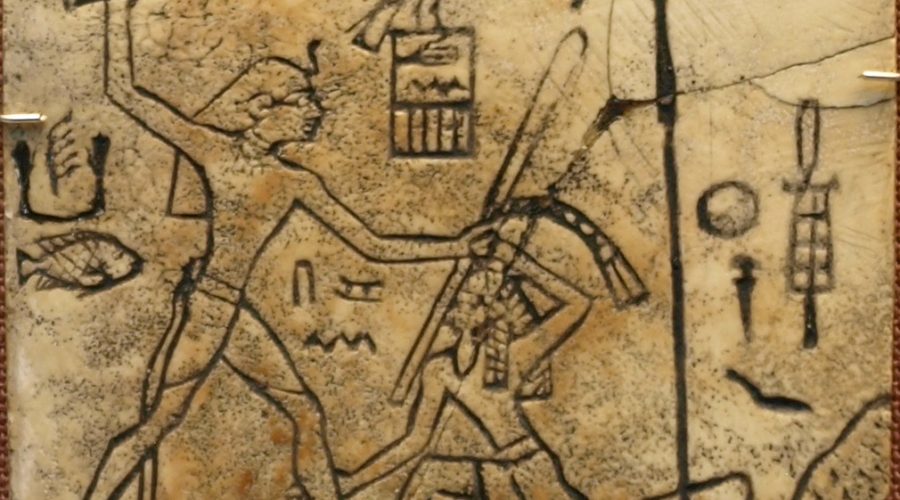
History of Astronomy
Ancient Egyptians. The ancient Egyptians had many practical uses for mathematics, such as building pyramids and other monuments, dividing land, calculating taxes, and most important, predicting the annual flood of the Nile River and calculating land boundaries after the flood waters subsided. They used a decimal counting system that even had fractions. The Greek philosopher Aristotle […]


Astrology history in Egypt
Astrology has played a major role in society since the beginning of civilization, and maybe even before that. Its influence can be seen in almost every part of the world. Astrologys history is a long one, and common belief is that its origins lie with the Greeks. However, a closer look shows that the foundations […]


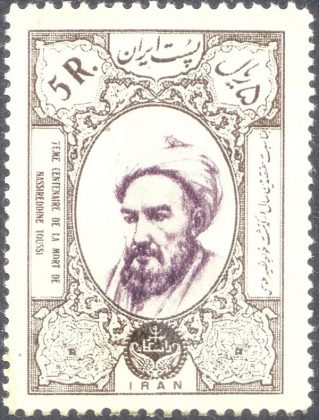
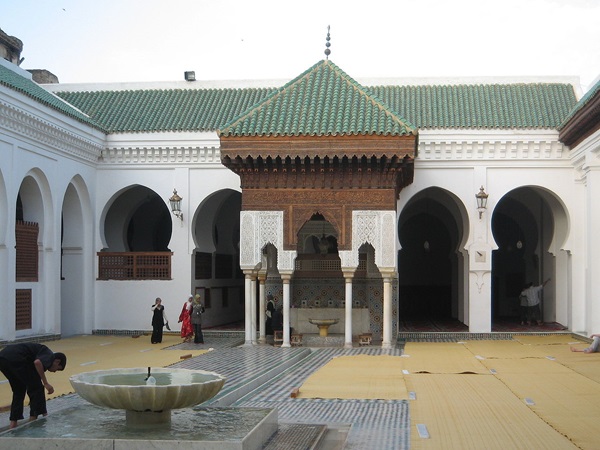
How Islamic scholarship birthed modern astronomy
Astronomy may be the oldest natural science in the world. Before humans ever took to systematically studying the skies, we were craning our necks upwards, observing the curious movements of some bright points of light, and the stillness of others. Civilizations around the world have incorporated astronomical observations into everything from their architecture to their […]

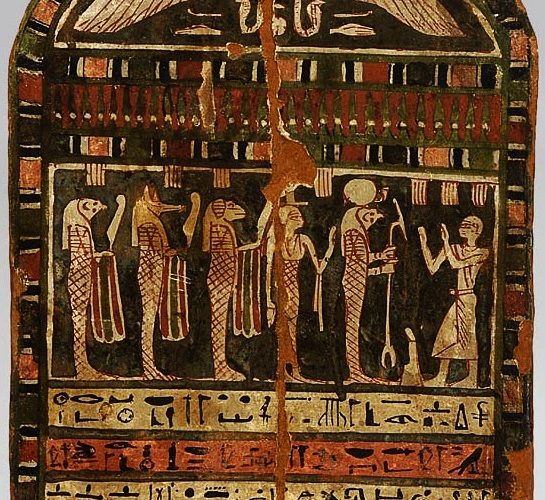

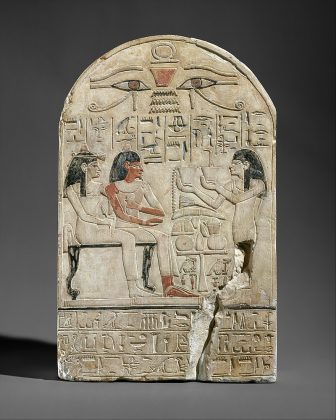

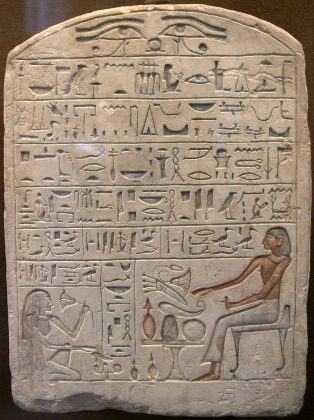

Stelae
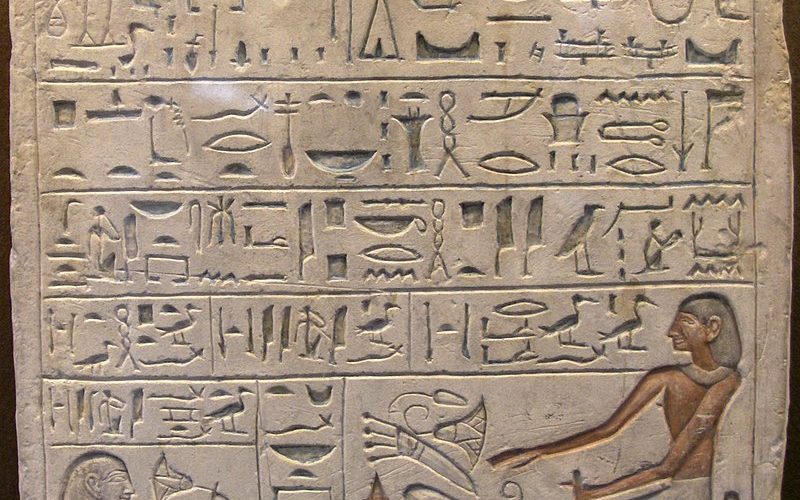
A stelae is an upright tablet of stone or wood, often with a curved top, painted and carved with text and pictures. Numerous examples were produced throughout Egyptian history for a variety of purposes, including funerary, votive and commemorative. Funerary stelae, attested from the early 1st Dynasty, typically bore the name and titles of the deceased. This […]


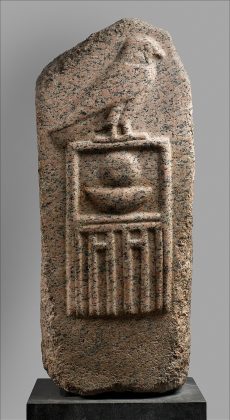


Sculpture
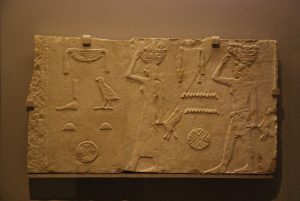
The monumental sculpture of ancient Egypt’s temples and tombs is well known,[49] but refined and delicate small works exist in much greater numbers. The Egyptians used the technique of sunk relief, which is best viewed in sunlight for the outlines and forms to be emphasized by shadows. The distinctive pose of standing statues facing forward with one foot in front […]



Treatments
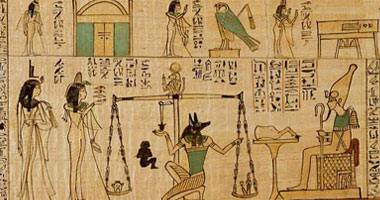
The treatments prescribed usually combined some practical application of medicine with a spell to make it more effective. For example, a roasted mouse ground into a container of milk was considered a cure for whooping cough, but a ground mouse in milk taken after reciting a spell would work better. Mothers would bind their children’s left […]


Magic & Medicine
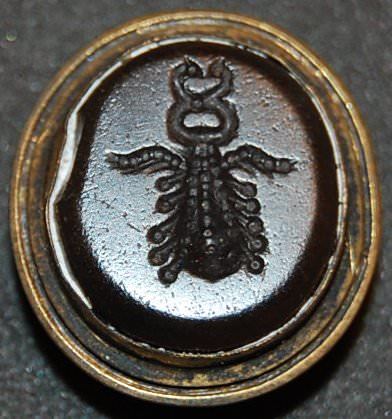
All these doctors practiced a combination of what one today would consider practical medicine and magic. Since disease came from supernatural sources, it was reasonable to conclude that supernatural treatment was the best recourse. In the present day, one may look back on these beliefs and practices with skepticism, but they were regarded as quite […]

