







Art of Dynastic Egypt
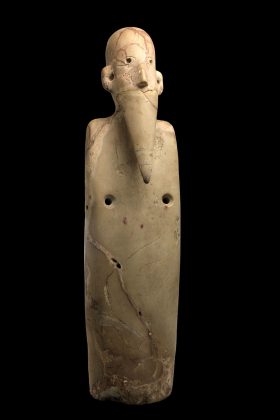
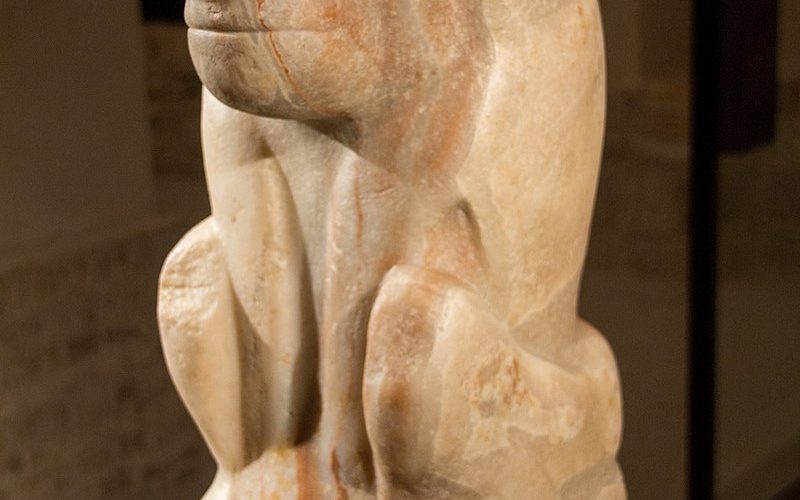
The Naqada III period, from about 3200 to 3000 BC,[8] is generally taken to be identical with the Protodynastic period, during which Egypt was unified Naqada III is notable for being the first era with hieroglyphs (though this is disputed by some), the first regular use of serekhs, the first irrigation, and the first appearance of royal cemeteries.[19] The art of […]


Naqada culture (4000–3000 BC)
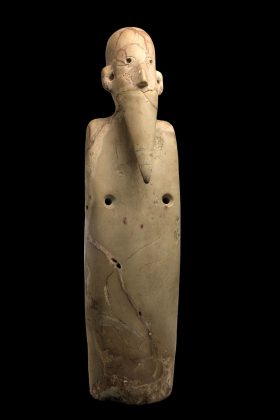
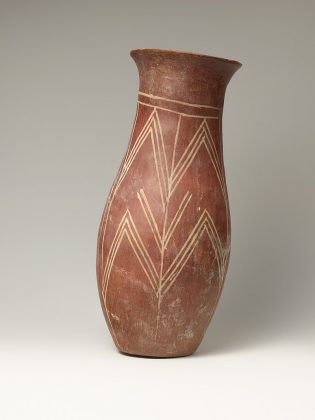
The Naqada culture is an archaeological culture of Chalcolithic Predynastic Egypt (c. 4400–3000 BC), named for the town of Naqada, Qena Governorate. It is divided into three sub-periods: Naqada I, II and III. Naqada The Amratian (Naqada I) culture lasted from about 4000 to 3500 BC. Black-topped ware continues to appear, but white cross-line ware – a type of pottery which has been decorated with crossing […]

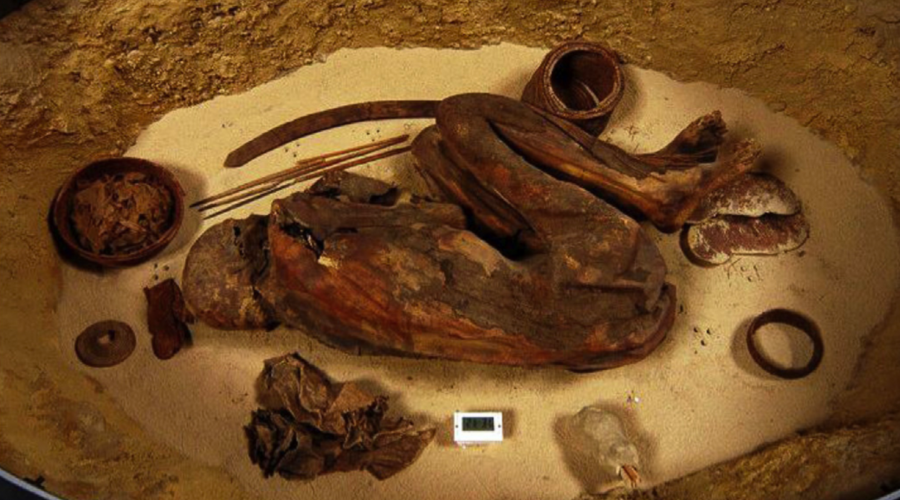


Ancient Egyptians Mastered Mummification Long Before the Time of Pharaohs
The earliest mummies are typically associated with the Old Kingdom of ancient Egypt, but as an intensive examination of a 5,600-year-old mummy confirms, the methods used for this iconic funeral practice date back to well before the age of pharaohs. The practice of mummification and the techniques used for embalming (such as the use of […]

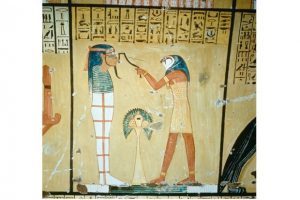

Why was mummification used in Ancient Egypt, and why did they leave the heart in the body?
Have you ever wondered why Henry VIII had six wives, or why World War One was called the Great War? As part of our ‘History Extra Explains’ series, leading historians answer these burning questions, and others you were too afraid to ask Why was mummification used […]

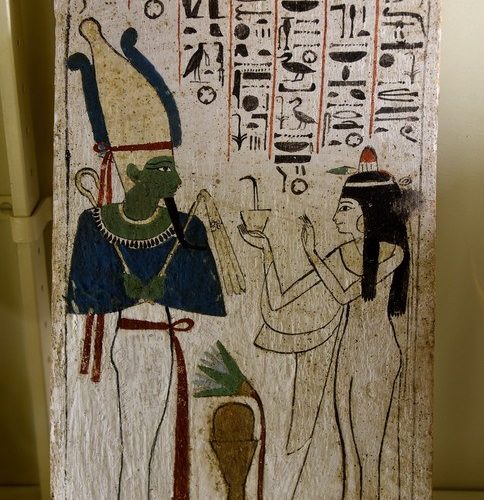

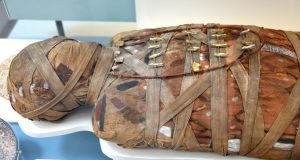

Mummification in Ancient Egypt
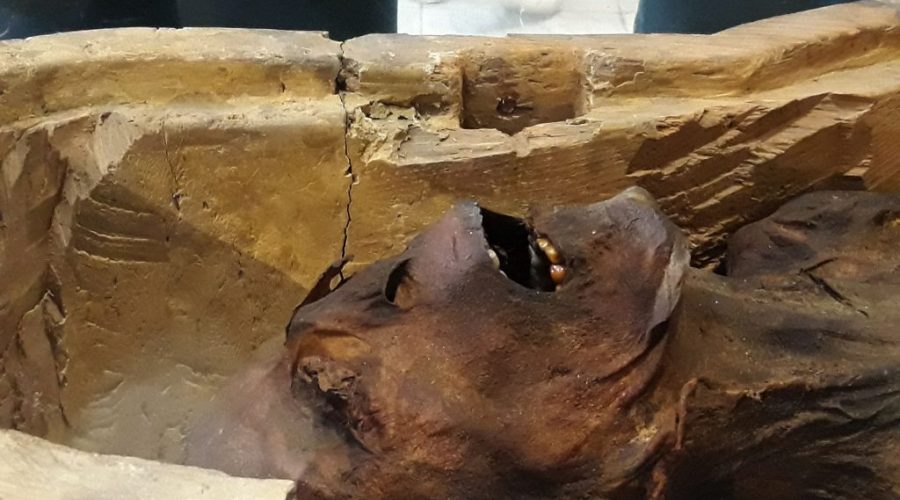
The practice of mummifying the dead began in ancient Egypt c. 3500 BCE. The English word mummy comes from the Latin mumia which is derived from the Persian mum meaning ‘wax’ and refers to an embalmed corpse which was wax-like. The idea of mummifying the dead may have been suggested by how well corpses were preserved in the arid sands of […]
The Embalmers & Their Services
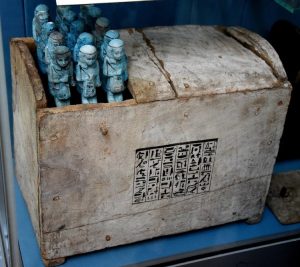
When a person died, they were brought to the embalmers who offered three types of service. According to Herodotus: “The best and most expensive kind is said to represent [Osiris], the next best is somewhat inferior and cheaper, while the third is cheapest of all” (Nardo, 110). The grieving family was asked to choose which service […]


Embalmer’s Methods
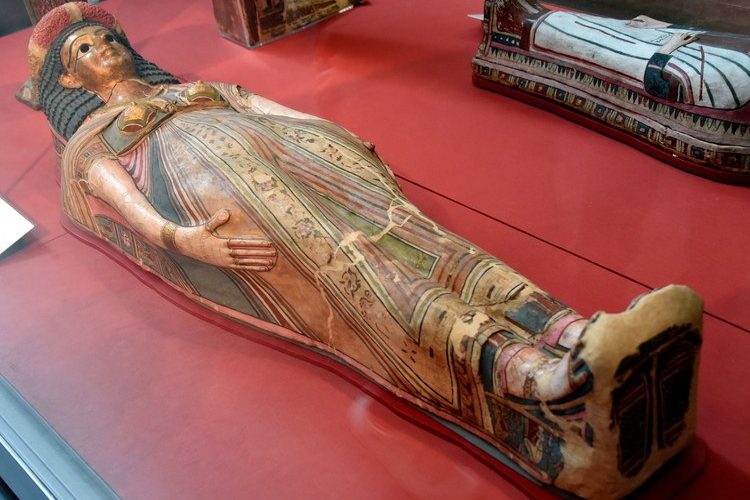
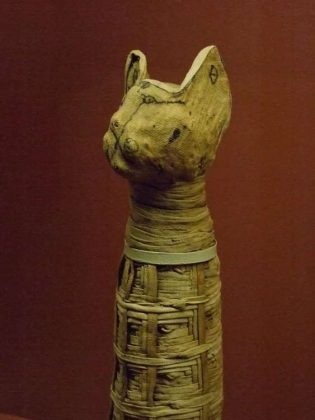
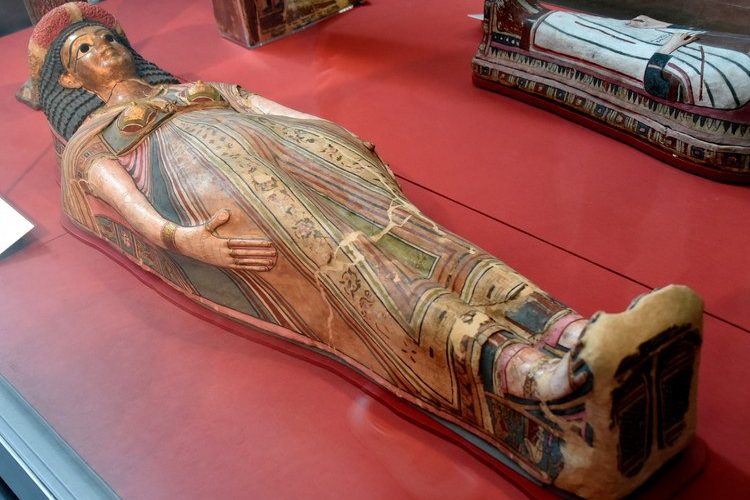
The embalmers removed the organs from the abdomen through a long incision cut into the left side. In removing the brain, as Ikram notes, they would insert a hooked surgical tool up through the dead person’s nose and pull the brain out in pieces but there is also evidence of embalmers breaking the nose to […]

Early Interpretation and Belief:
The first astronomers created calendars from changes they saw in the Moon. Some ancient people around 5,000 years ago set up large stones to mark the movement of the Sun and other stars. One of those old observatories is Stonehenge in what we now call England. Ancient natives of North American lined up circles of […]

Astronomy and Astrology in the Medieval Islamic World
The Study of Astronomy During the medieval period, scientists in the Islamic world made many contributions to the field of astronomy. While their work was based on ancient sources from Greece , and India, they updated methods for measuring and calculating the movement of heavenly bodies, and continued to develop models of the universe and […]


Ancient Egypt Astronomy
DISCOVERIES/CONTRIBUTIONS CONT. Ever since the pharaonic period, they religiously and academically relied heavily on stars to advance their knowledge, especially on architecture. Egyptian astronomy was extremely sophisticated and many of their ideas became the foundation of our own stargazing and cosmology. The annual flooding of the Nile was the foundation of Egyptian civilization and agriculture, […]

