




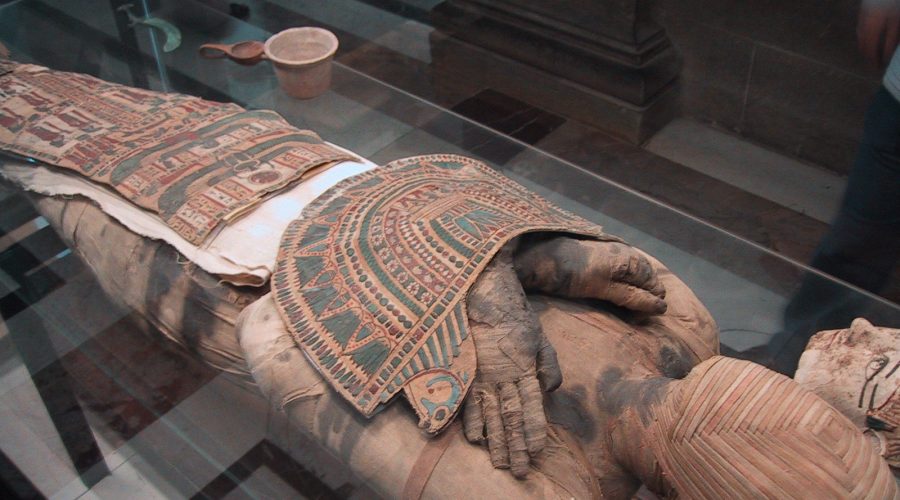
Who Performed Mummification in Ancient Egypt?
In ancient Egypt, mummification was a means of preserving the bodies of the dead for the afterlife, through a careful process of both embalming and wrapping. Mummification wasn’t a simple job, and required 70 days to finish. The responsibilities of mummification were handled by skilled artisans called embalmers. Mummification was thought to be essential for […]

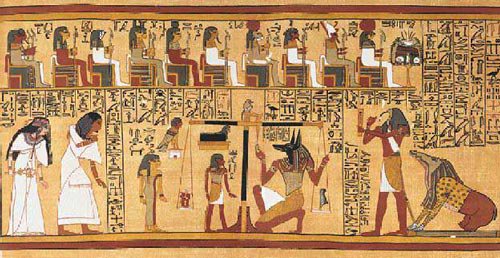
Mayan Stone Tools
The Mayans may have lacked metal tools and other advanced technologies, but they never let that stand in the way of progress. What the Mayans lacked in technology, they made up for with ingenuity. Basic tools made from materials such as stone, hardwood and bone were used to construct buildings, create works of art and […]

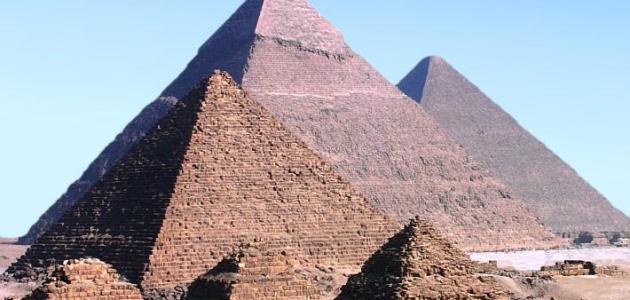
The Pyramids and Burial Rituals of the Ancient Egyptians
Ancient Egyptian burial customs were important to enable the deceased to enter the afterlife. The basic process was similar across all tiers of society, but how elaborately the steps were performed varied greatly, depending on the status and wealth of the family. Commoner burials consisted of family members wrapping the body and burying it in […]

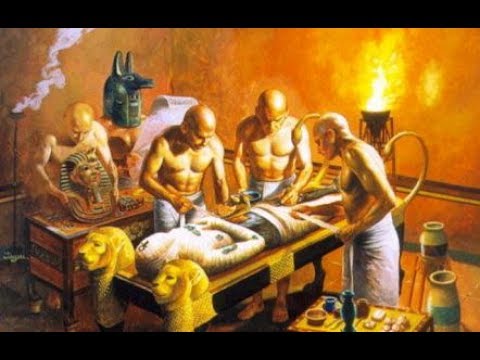
About Embalming
Embalming is a part of the funeral process, and this process was first used by the Egyptians. The word “embalm” means to protect from change, which is the goal in the embalming process. Since the Egyptians, the process has been simplified, but the goal is still the same. Almost every American will be embalmed upon […]

Writing Materials in Ancient Egypt
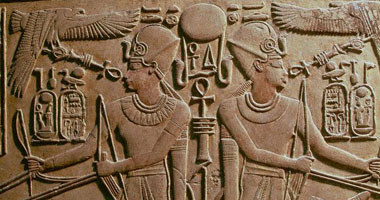
Writing was an intrinsic part of ancient Egyptian society. Egyptians used many of the raw resources at their disposal to not only carve symbols, and eventually, texts into clay tablets and rock surfaces, but to also manufacture paper, create ink and other pigments, and store their documents and records. Clay, Wood and Stone Surfaces As […]

Tools Used in the Paleolithic Age
The Paleolithic Age is marked by the evolution of tools. The Paleolithic Age is a period marked by the evolution of human tools. Beginning approximately 2.5 million years ago and ending roughly 12,000 years ago, the Paleolithic Age saw human technology evolve quickly, leading to the use of tools. The tools developed by the ancient […]


Prehistoric Egyptians mummified bodies 1,500 years before the pharaohs
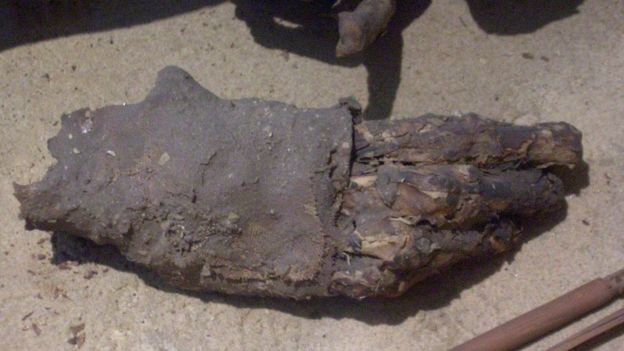
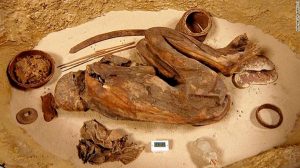
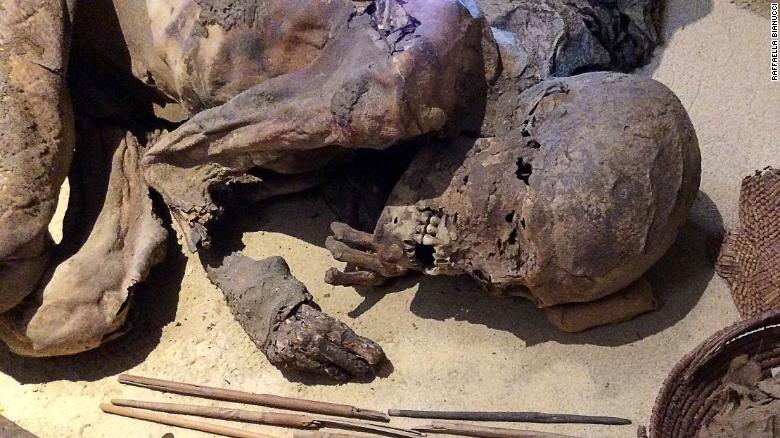
Last month, my colleagues and I published our analysis of an intact Egyptian prehistoric body, dating from around 3,700 to 3,500 BC, that had been housed in the Museo Egizio (Egyptian Museum) in Turin, Italy, since 1901. The results provide strong evidence that Egyptian mummification techniques — long associated with the time of the pharaohs — date back to […]

Mummification Procedures
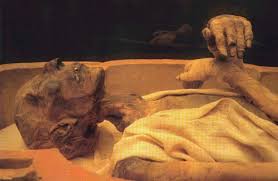
Our information as to the procedure followed by the Egyptians in mummifying the dead comes mainly from the Greek historians Herodotus (fifth century BC) and Diodorus (first century BC), as well as from a few documents dating from the later periods of Egyptian civilization. All these accounts seem to be in general agreement with the examinations carried out upon […]


Decline of Mummification
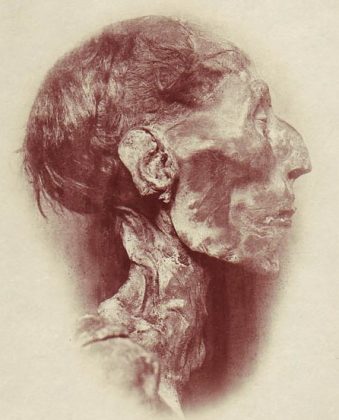
After its ‘golden age’ during the Twenty-first Dynasty and shortly after, the standard and quality of mummification steadily and gradually declined. However, the practice did not completely disappear until Muslim Arabs conquered Egypt in AD 641. Mummification Elsewhere It seems as though mankind has a subconscious need or desire to preserve the bodies of dead […]
Egyptian Mummies
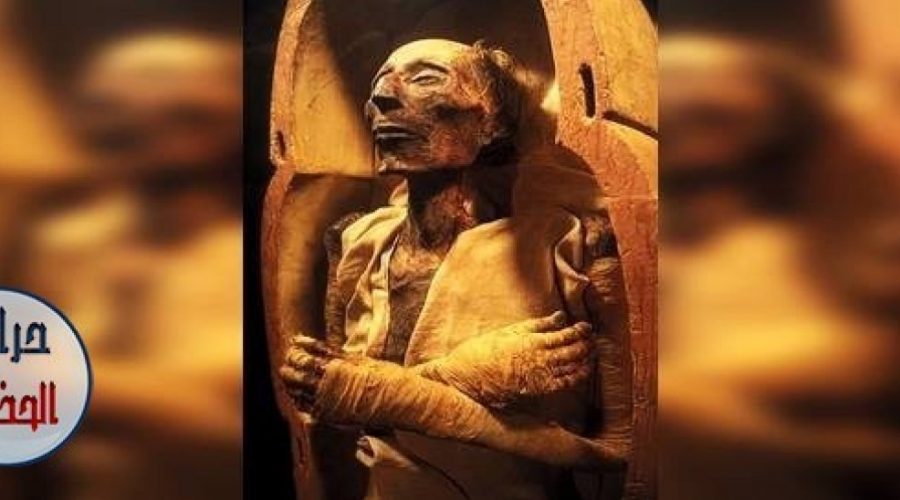
The methods of embalming, or treating the dead body, that the ancient Egyptians used is called mummification. Using special processes, the Egyptians removed all moisture from the body, leaving only a dried form that would not easily decay. It was important in their religion to preserve the dead body in as life-like a manner as […]

